Who knows what your company is doing?
Company-wide visibility — A CEO receives three positive project reports, yet the same customer issue appears in all three.
Read article →Practical perspectives on company models, human–agent work, and business operations. Explore 30 guides by role, industry, capability, or use case.
Company-wide visibility — A CEO receives three positive project reports, yet the same customer issue appears in all three.
Read article →
Software delivery traceability — A requested feature reaches production, but nobody can show which customer need it addresses or whether that need was resolved.
Read article →
Capability management — A team introduces AI assistance, but its capability records still describe only employee skills.
Read article →
Daily work coordination — A task has an owner and a deadline but remains untouched because the owner is waiting for information.
Read article →
Verified task completion — An AI agent produces a polished report and marks its task complete.
Read article →
Decision evidence — A folder contains screenshots, reports and meeting notes, but the team cannot tell which version justified a decision.
Read article →
Quality assessment — Two reviewers give the same AI output very different scores.
Read article →
Performance comparison — An agent handling simple formatting tasks outranks one handling complex customer research because it finishes more items.
Read article →
Capability recognition — A completion badge says a person or agent passed an assessment, but the underlying task, evidence and conditions are absent.
Read article →
Change impact management — A delivery date moves in a customer account note.
Read article →
Consistent customer context — A project briefing, service request and renewal plan contain three versions of the same customer details.
Read article →
Executive performance review — A dashboard shows a high completion rate while the most important customer work remains blocked.
Read article →
Rule governance — A priority score influences which requests receive attention.
Read article →
Role-based work coordination — The CEO needs exceptions, a team lead needs capacity and a contributor needs the next action.
Read article →
Request intake — An internal request says urgent and asks for an AI-generated report.
Read article →
Inquiry routing — AI labels incoming inquiries as sales, support or partnership.
Read article →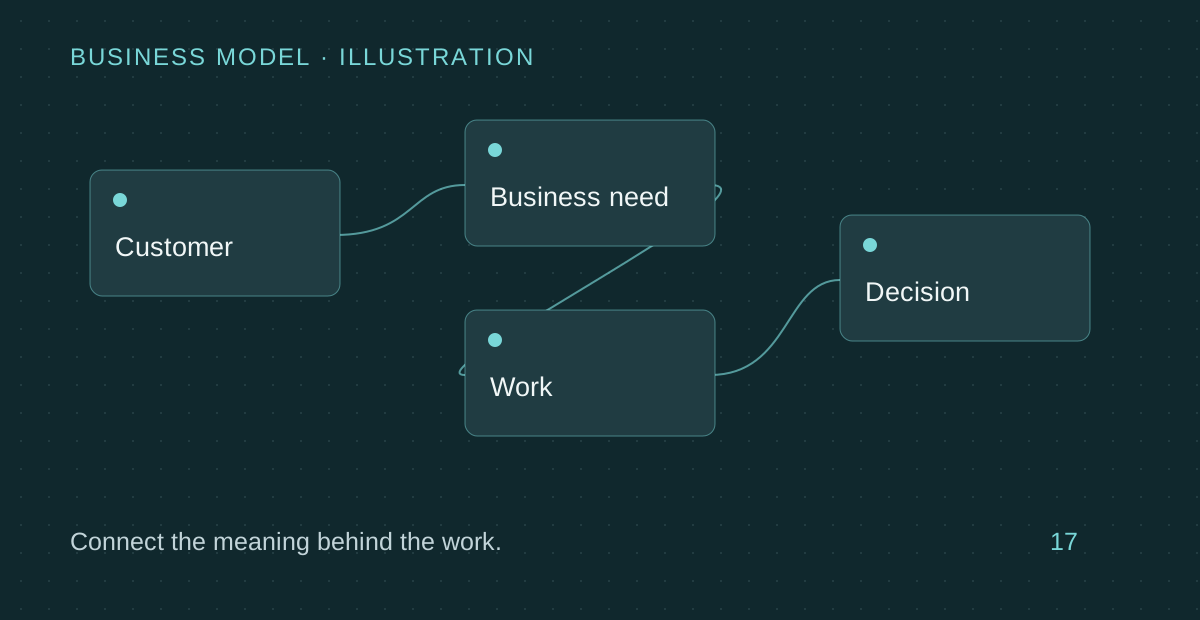
Executive briefing — A summary removes repetition and also removes the unresolved disagreement that should shape the decision.
Read article →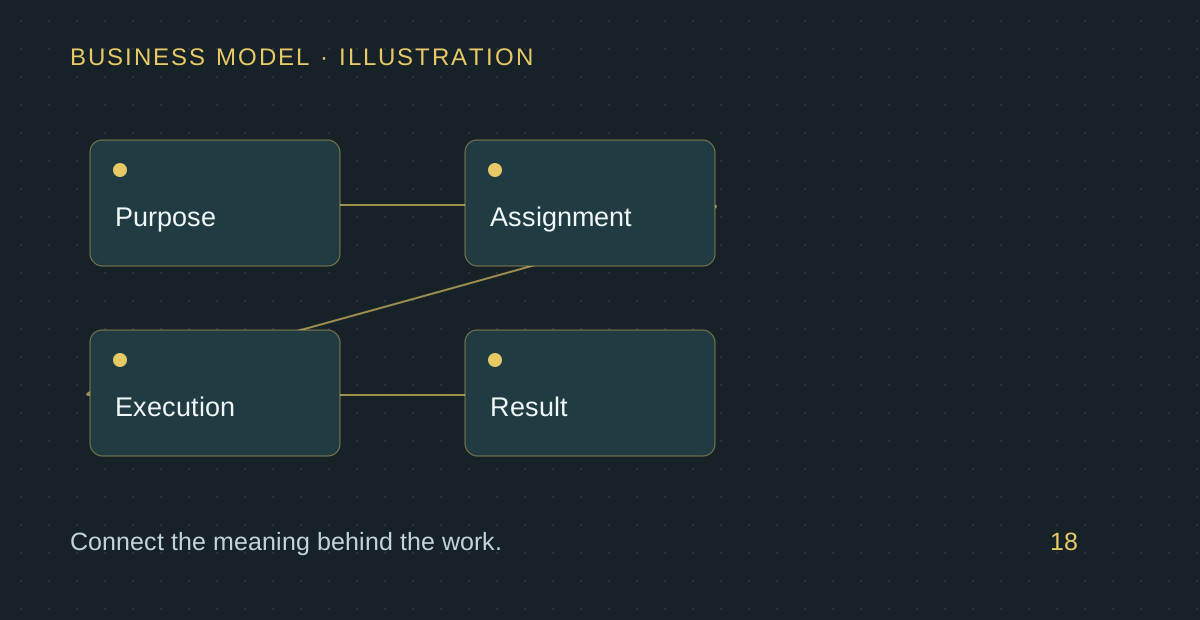
Operational handoffs — An inspection task completes and triggers the next operational step.
Read article →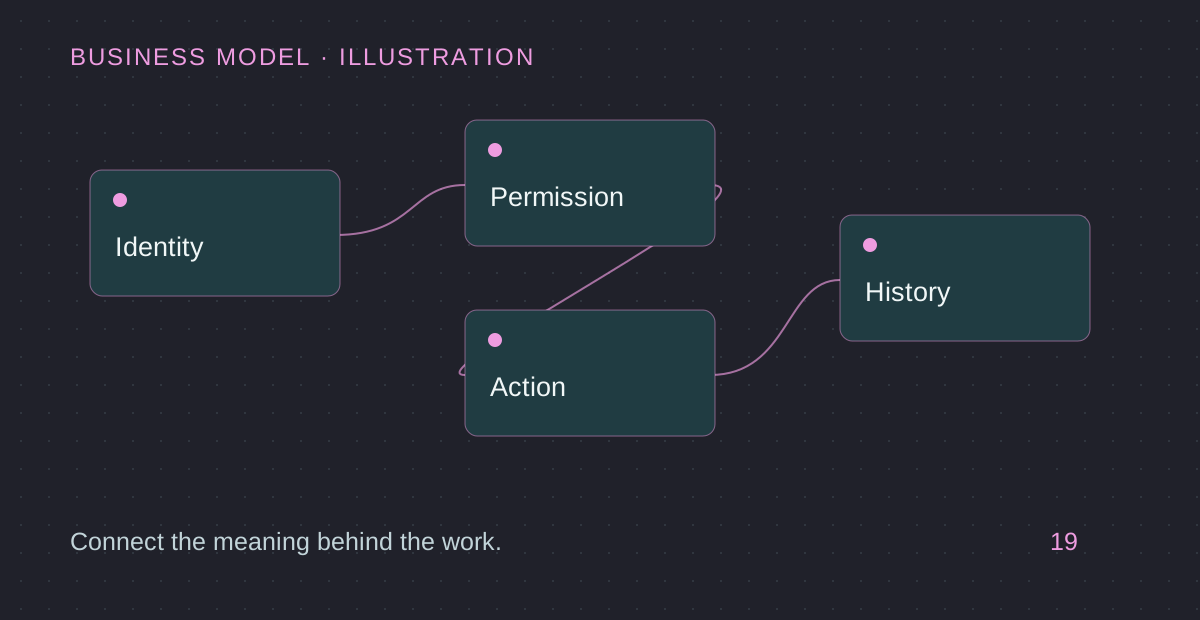
Approval control — A manager approves a proposal, and an automated process treats that approval as permission to send every later revision.
Read article →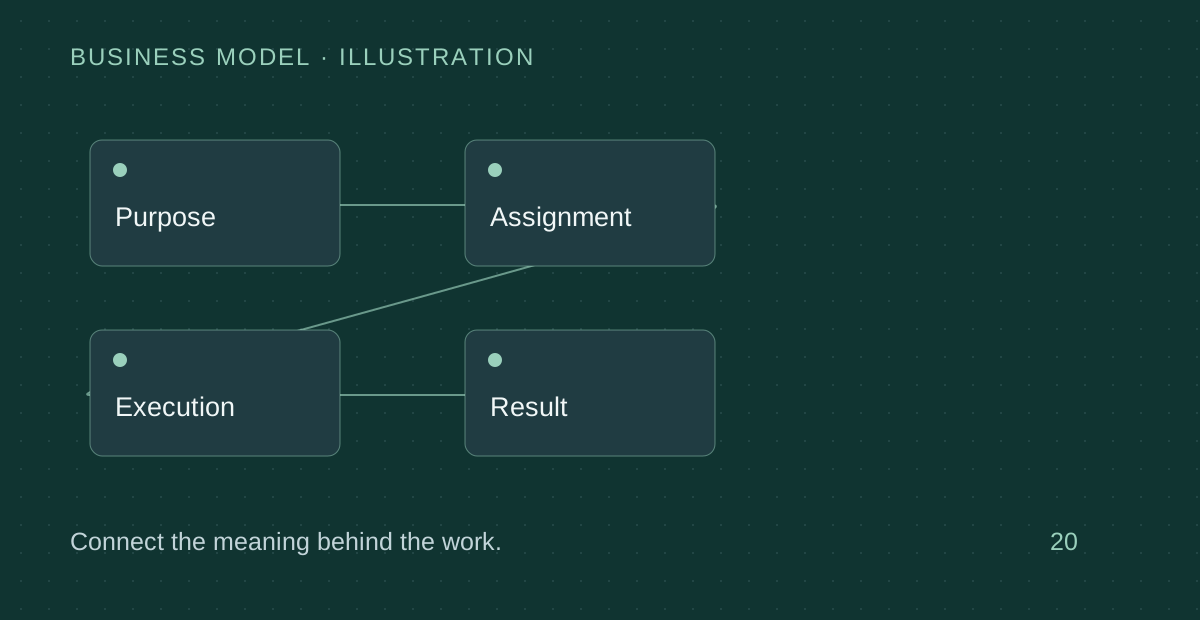
Exception handling — A retail operations team receives repeated alerts about late tasks.
Read article →
Controlled collaboration — A business team wants a complete view of work across sales and service.
Read article →
Deployment planning — A team compares deployment options using only where the application runs.
Read article →
Business migration — A team imports all its customer and project files successfully.
Read article →
Evidence-led promotion — A learning provider produces separate articles for banking buyers, HR leaders and technology teams.
Read article →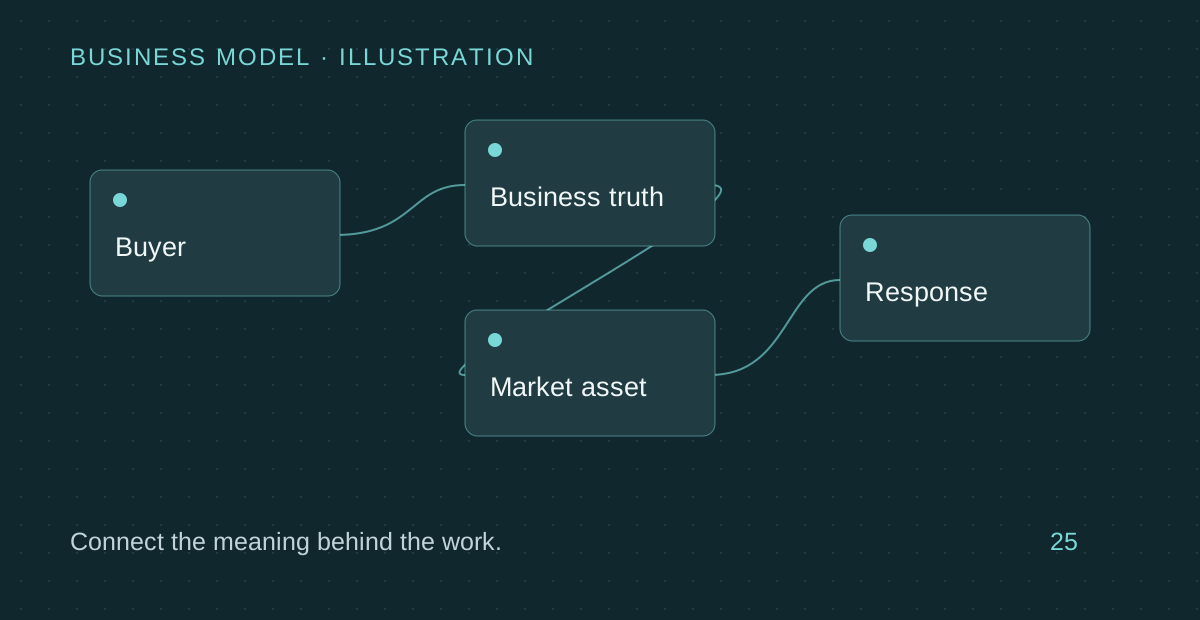
Industry and market content — An English article is translated accurately but still addresses the wrong operating problem for a local retail audience.
Read article →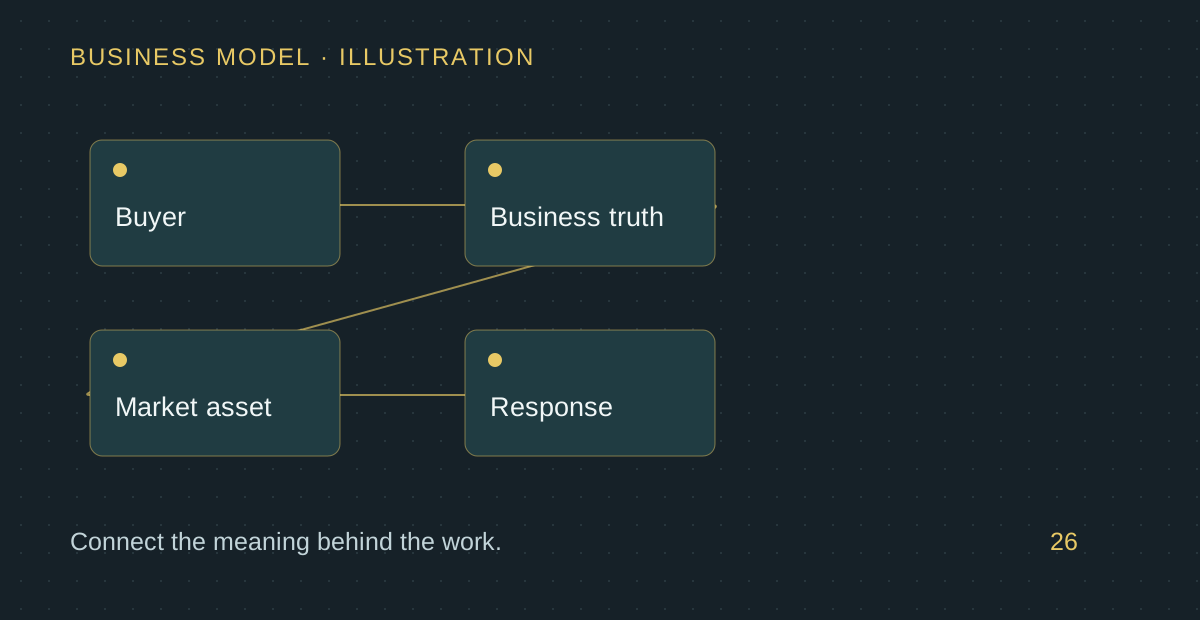
Content discovery and governance — A product team plans hundreds of articles but cannot explain how each article differs or which reader question it answers.
Read article →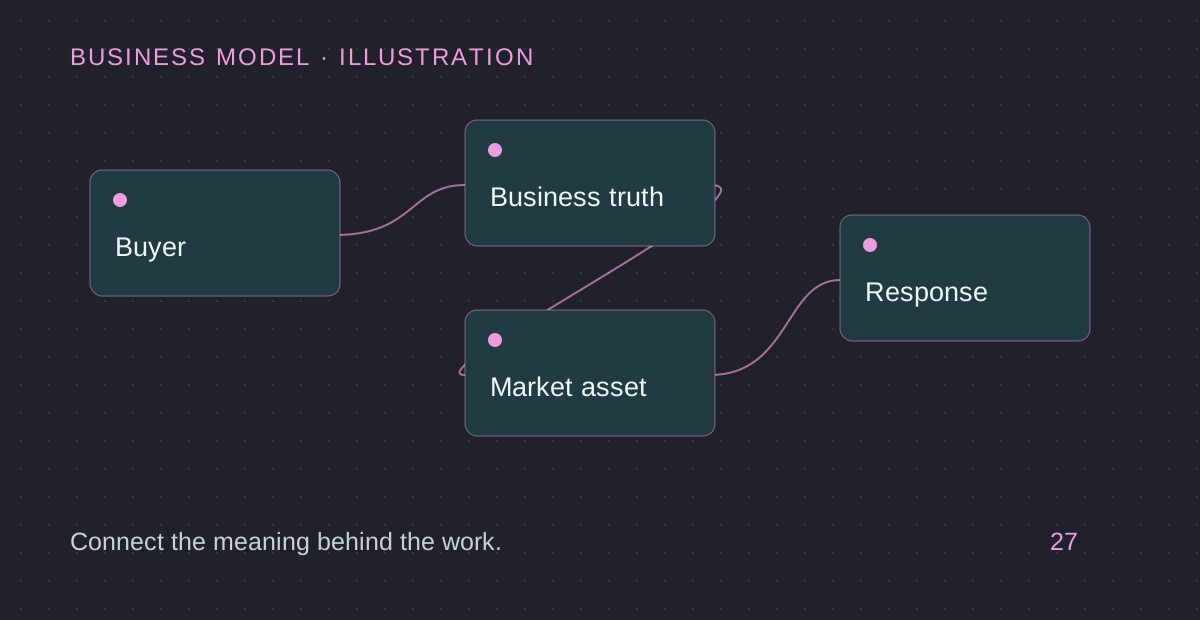
Opportunity qualification — A campaign generates many inquiries, and the dashboard celebrates growth.
Read article →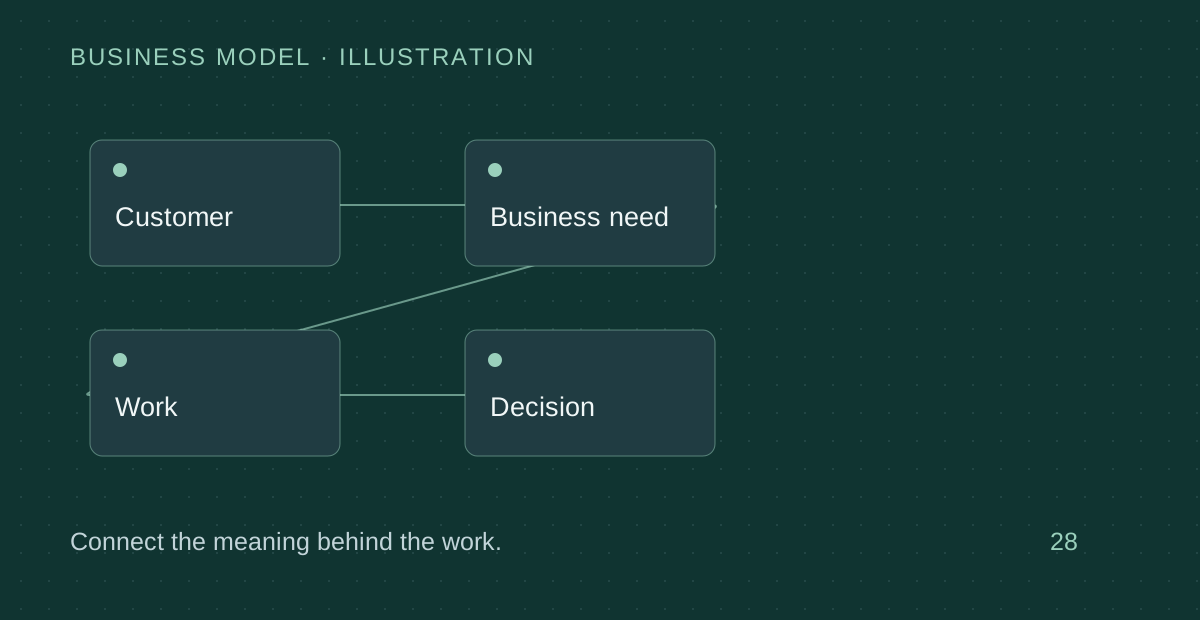
Knowledge continuity — A departing specialist leaves extensive files but no explanation of which advice worked, when it applied or why alternatives were rejected.
Read article →
Delivery dependency review — A process-improvement project has all tasks assigned, but the final review depends on an inspection result owned by another team.
Read article →
Idea validation — An AI-assisted team can launch new ideas quickly, so experiments accumulate faster than leaders can judge them.
Read article →