The business problem
A retail operations team receives repeated alerts about late tasks. Nobody knows whether the alerts describe the same issue or whether another person has already acted. Notifications multiply while the underlying problem remains untouched.
Design the management relationship
Tie each alert to an exception record with an accountable owner, affected outcome and requested action. Set escalation based on consequence and response, not only elapsed time. Close the exception when evidence shows resolution, and stop duplicate notifications.
Build the structured operating model
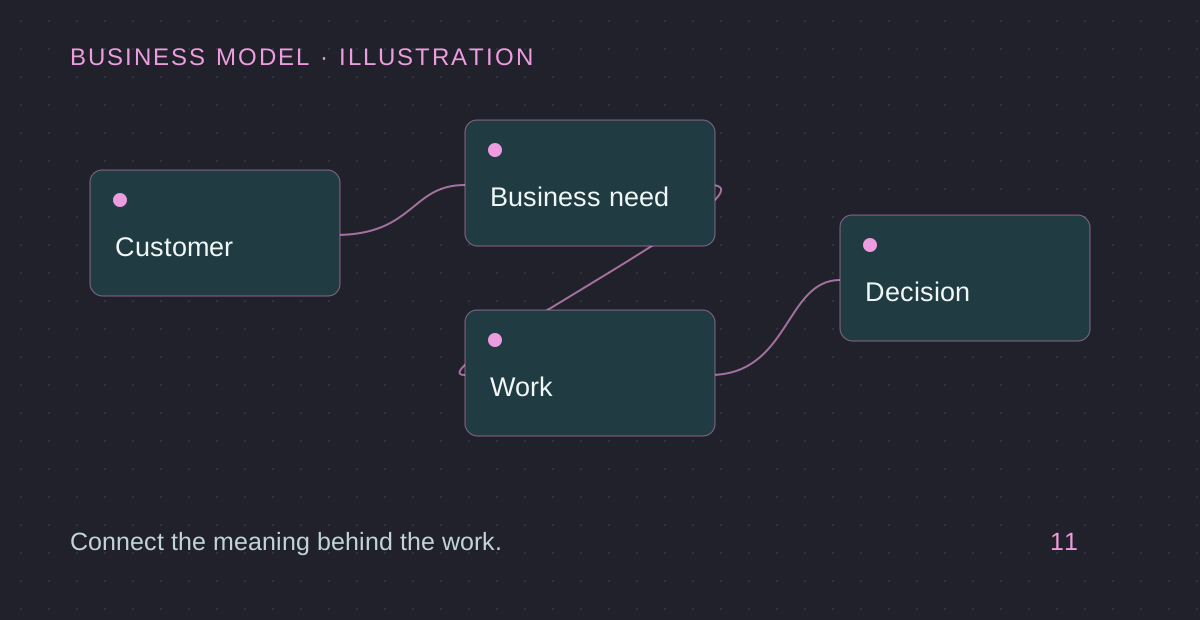
Create an exception object that connects the affected commitment, observed condition, responsible owner and requested response. The notification is an action linked to that exception, with a channel, recipient and delivery outcome. Acknowledgement, response and resolution are distinct states. Escalate according to agreed business consequence and timing. This prevents email volume from becoming a substitute for operational control: each message should help a specific person resolve a specific situation, and cease or change when the underlying state changes.
The decision for your role
For a business user, this capability should make the next responsible action easier to understand. The working view needs the purpose, current owner, missing information, relevant evidence and acceptance conditions for the task at hand. It should not require the user to understand the technical implementation or reconstruct a conversation history. Give waiting, blocked and returned work explicit meanings, and show who can resolve each condition. If an agent prepares a message or an update, make the proposed action and its authority visible before execution. Keep the original request available when a structured interpretation seems wrong. When responsibility changes, record the handoff and confirm that the receiving person has the context needed to act. The benefit should be assessed through fewer clarification loops, less repeated entry and more reliable accepted work. A system that produces more notifications but leaves people uncertain about what to do next has not solved the management problem.
Apply it in the operating setting
In a retail operating example, relate each event to a store, campaign or customer commitment so the responsible team understands its significance. Separate a local exception from a pattern that affects several locations. A change to a shared rule may require different action at different stores, depending on their state and responsibilities. Keep acknowledgement distinct from resolution and retain the evidence that closes the issue. When adapting content for a market, preserve the confirmed product claim while changing the example to fit the reader's work. The useful measure is whether the intended team can take the appropriate action with less ambiguity.
The operating discipline
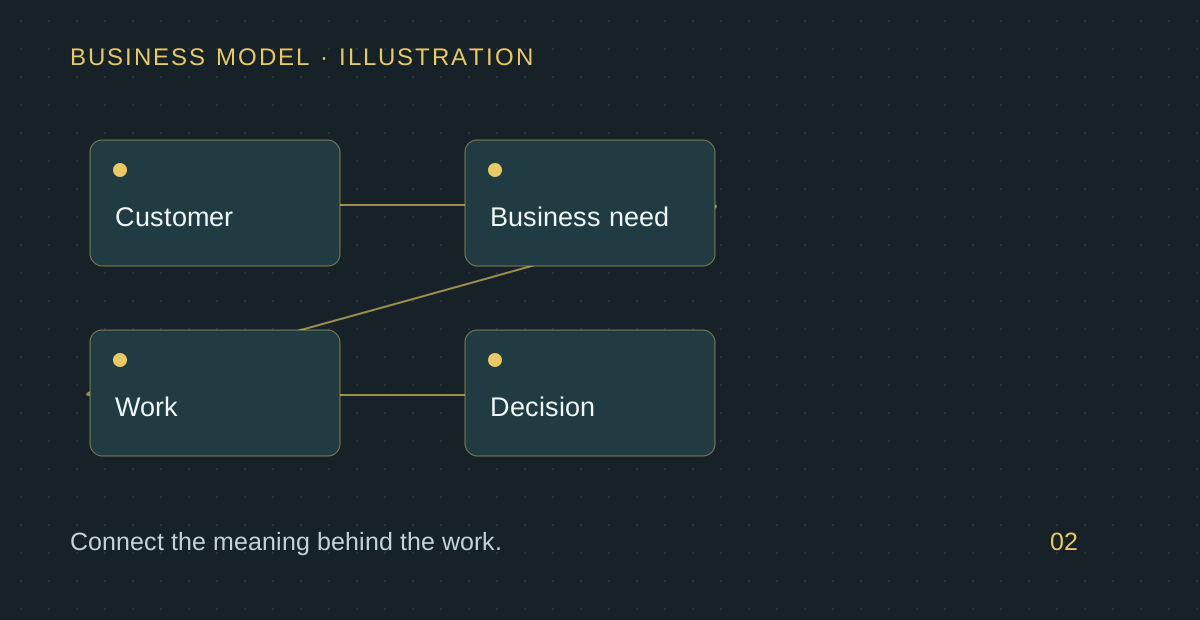
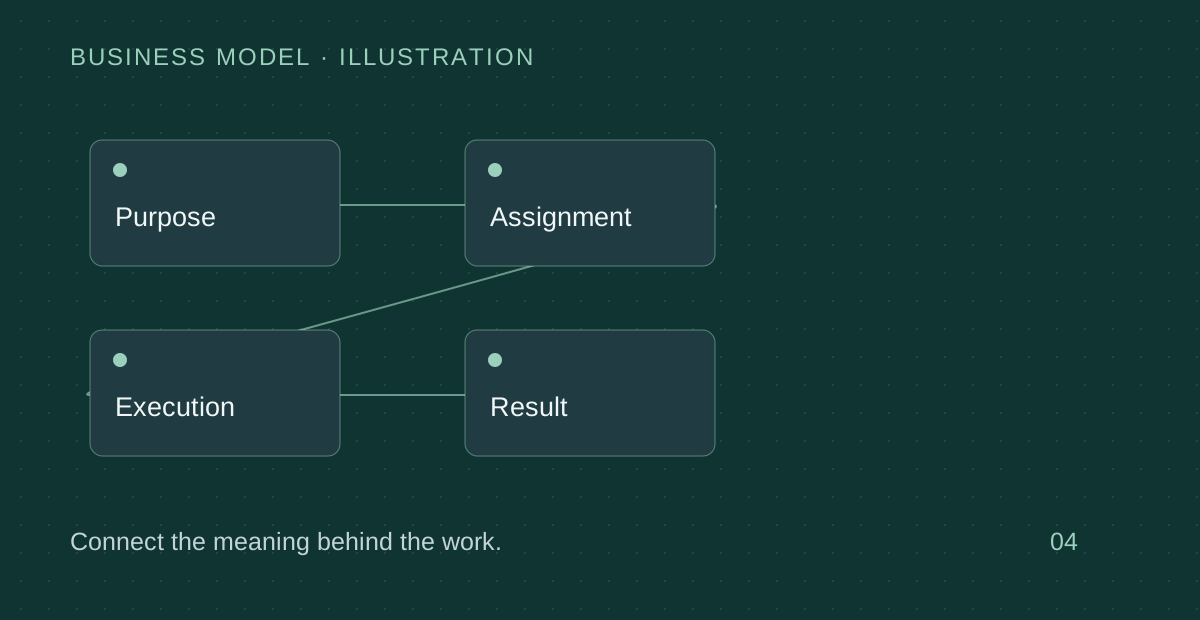
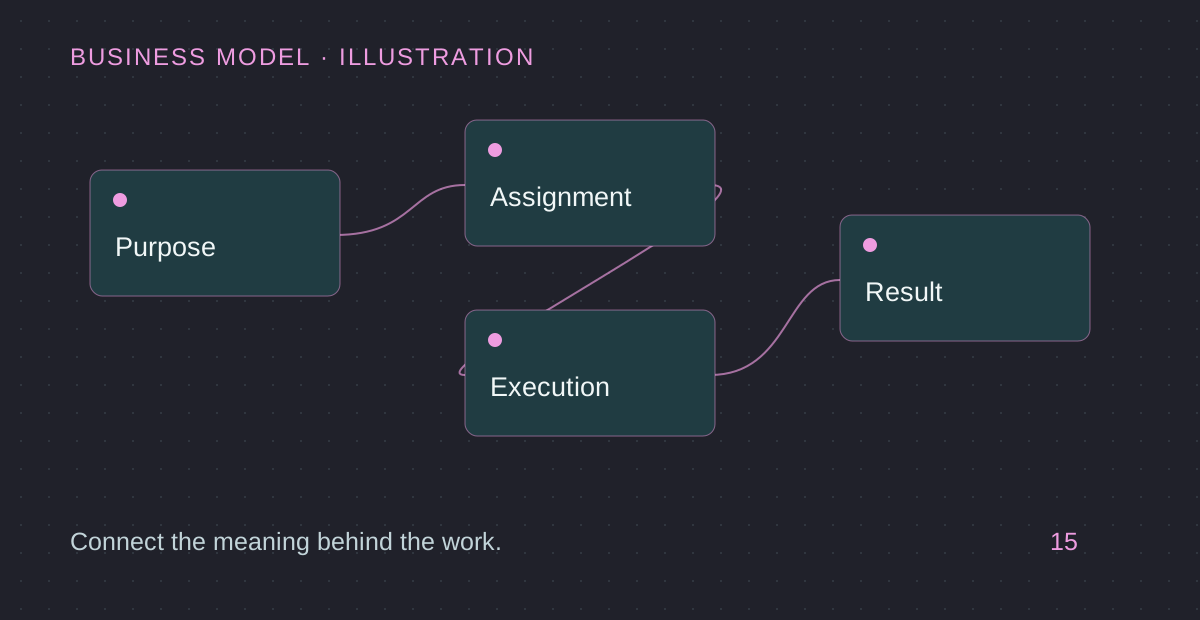
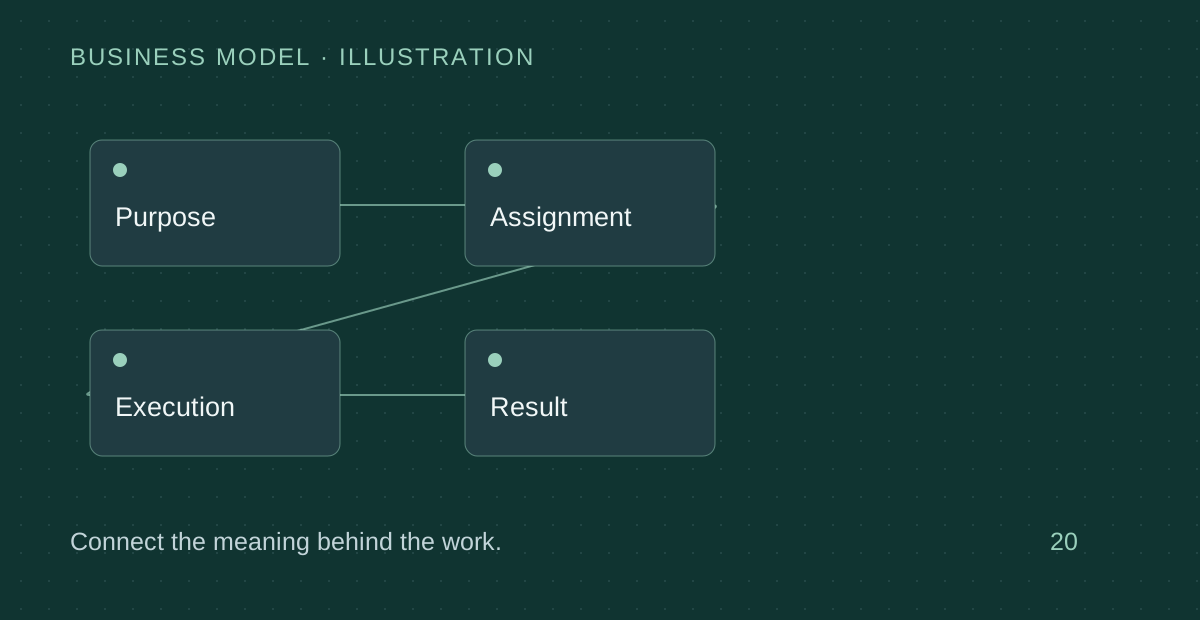
A dependable operating process connects purpose, ownership, state and acceptance. The person doing the work should know what enables the next step, while the reviewer should know what evidence is required. Make blocked and returned work visible without treating every exception as failure by the individual. Some exceptions reveal unclear requests, unrealistic dependencies or weak operating rules. Review the process using a completed case and a failed case. This exposes whether the team can explain what happened and recover, instead of only demonstrating the ideal sequence.
A practical decision example
A store issue may affect one task or several customer commitments. Include that business consequence in the alert. An acknowledged message is not necessarily a resolved exception, so retain the owner and next review until there is evidence of correction. If an alert repeatedly reaches people who cannot act, change the routing rule rather than asking them to become more attentive to irrelevant notifications.
Observe, automate and verify responsibly
Before enabling an automatic action, define what the operating history must retain. A useful record identifies the actor, business object, time, reason, authority, relevant input version, observed action and resulting state. Keep a failed attempt separate from a successful retry. If the action sends an email, distinguish preparation, approval, send attempt and delivery observation; attempting to send does not prove that the recipient received or acted on it. Assign an owner for exceptions and say when a human must intervene. Then ask a colleague who was not involved to reconstruct the event using the records alone. Missing context is a model gap to resolve before increasing autonomy. This is how observability supports accountability across people, agents and connected systems, rather than becoming a large collection of unexplained technical logs.
What to test first
Track alert-to-action time, repeated alerts for one issue and exceptions that reopen. Review noisy rules before increasing notification channels.
What this means for Flowise
Flowise is designed around a shared company model: business purpose, relationships, ownership, and results. Start with real work, preserve the supporting evidence, and improve the model as the team learns.