The business problem
A manager approves a proposal, and an automated process treats that approval as permission to send every later revision. The manager intended to approve one version for internal planning. The system inferred a broader authority than was given.
Design the management relationship
Record the approved object, version, action, conditions, approver and validity period. Separate preparation, internal approval and external execution. When a material detail changes, evaluate whether existing approval still applies rather than inheriting it silently.
Build the structured operating model
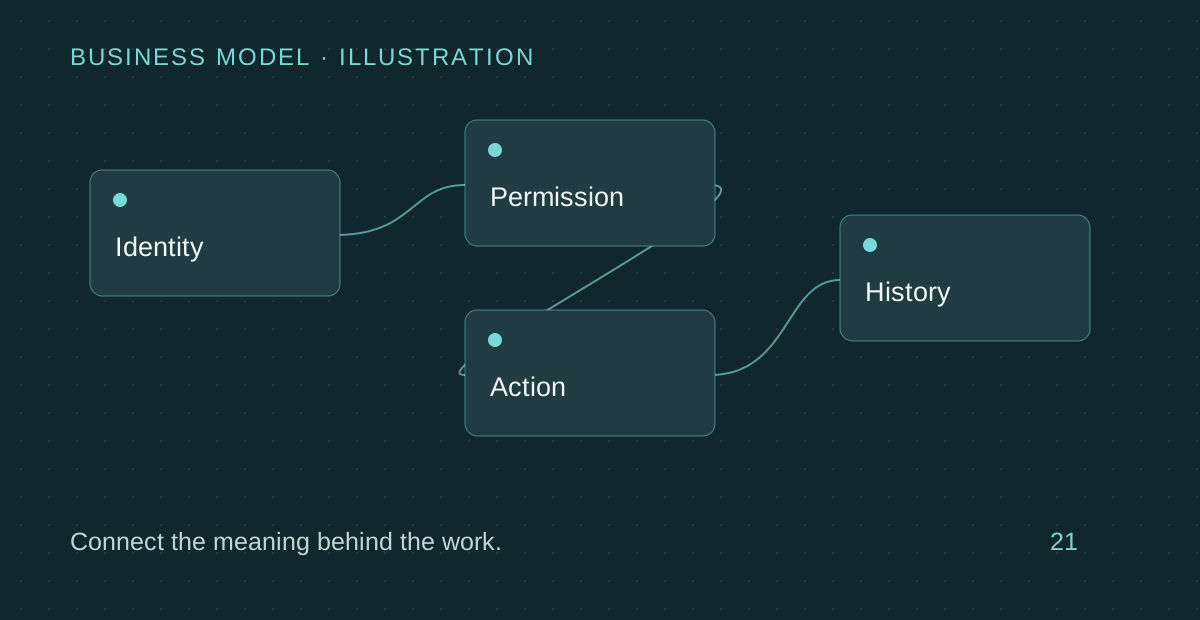
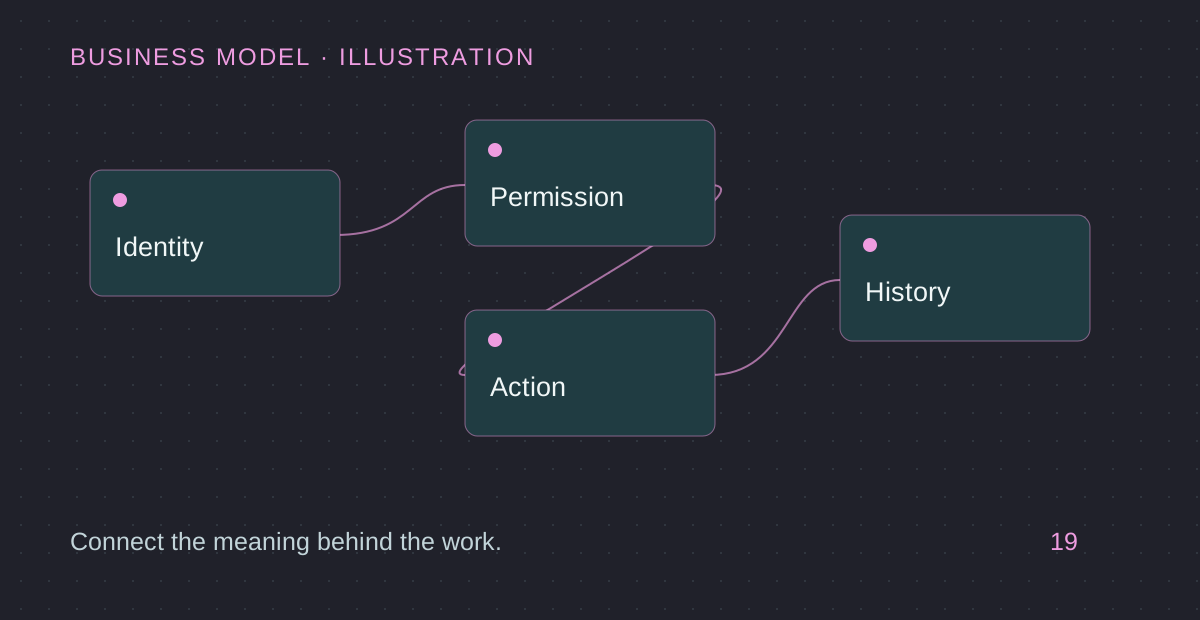
An approval is a relationship between an authorized person, a specific object version and a permitted action. Include conditions, expiry and the business context reviewed. Record when authority is delegated or withdrawn. A request to prepare an email is different from permission to send it. When a material field changes, identify whether approval must be renewed. Business people should be able to see the scope in plain language before accepting responsibility, and later reconstruct which authority existed at the time of execution.
The decision for your role
For a CIO, this capability must preserve meaning and authority across systems. Identify which application owns each business fact, which identity performs an action and which role is accountable for its result. A successful transfer of information does not establish a successful business handoff. Compare the state definitions used on each side and decide how disagreements become reviewable exceptions. Keep access rights distinct from screen filters, and distinguish permission to prepare work from permission to change a business system or communicate externally. The operating model should also identify disconnected sources and observation gaps so an incomplete overview is not mistaken for full visibility. Introduce connections in a bounded sequence with representative identities and synthetic information. Test a normal path, an access denial, a stale event and a failed handoff. Give support and recovery duties explicit owners. This allows business managers to govern the purpose and responsibilities while technical teams validate that the intended controls and information flows work in practice.
Apply it in the operating setting
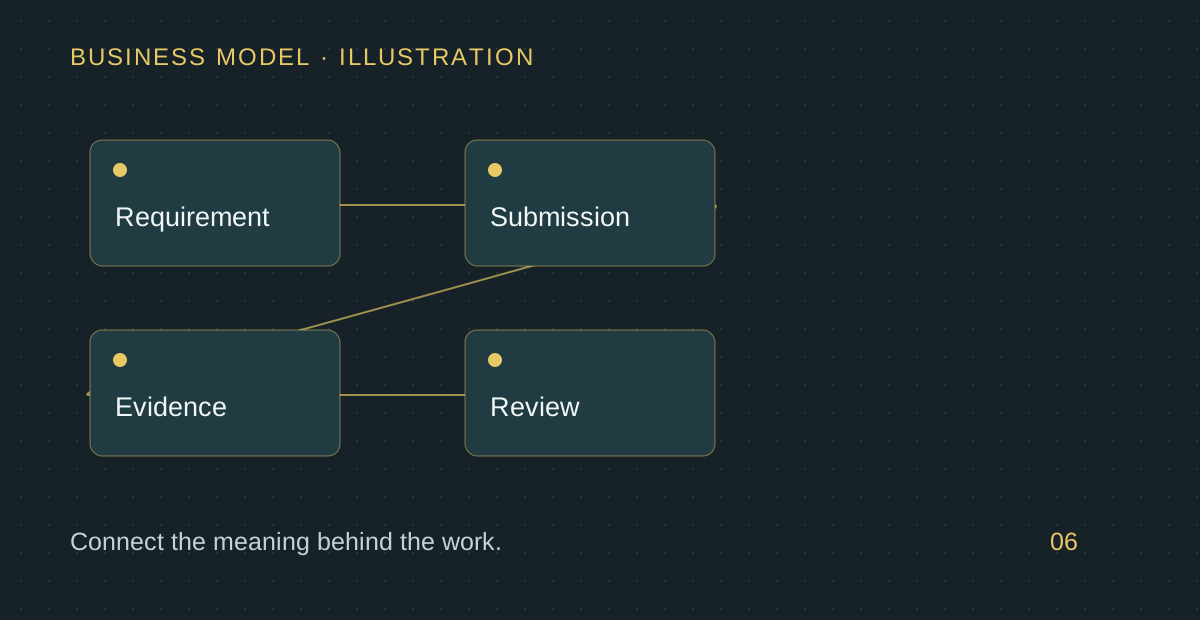
For an illustrative banking operations workflow, use synthetic information to examine preparation, review and authorized execution. Make the object version and approval scope explicit, including the identity permitted to act. Test what happens when a material term changes, the approver is unavailable or the permission expires. Keep the decision and evidence available to the appropriate reviewer. This is a way to reason about operating responsibility, not a claim of regulatory readiness. Real deployment requires validation against the institution's policies, applicable obligations and technical environment, with qualified owners confirming the controls required for the actual process.
The operating discipline
A governance control is useful when people understand its purpose, authority and exception path. Define the business object being controlled, the person accountable for it and the evidence that demonstrates the control worked. Keep the current state distinct from the history of how it changed. An AI suggestion should remain distinguishable from an authorized decision. Test the arrangement with realistic permitted and denied actions, and include a failure case. Documentation alone does not show that an access boundary, approval or recovery process works in practice.
A practical decision example
An internal draft can be approved for discussion without being approved for external use. Model the intended action explicitly. If a recipient, material claim or commercial term changes, identify who must decide whether another review is needed. The system should preserve the approved version and conditions so a later reviewer can understand what authority existed when the action occurred.
Observe, automate and verify responsibly
Before enabling an automatic action, define what the operating history must retain. A useful record identifies the actor, business object, time, reason, authority, relevant input version, observed action and resulting state. Keep a failed attempt separate from a successful retry. If the action sends an email, distinguish preparation, approval, send attempt and delivery observation; attempting to send does not prove that the recipient received or acted on it. Assign an owner for exceptions and say when a human must intervene. Then ask a colleague who was not involved to reconstruct the event using the records alone. Missing context is a model gap to resolve before increasing autonomy. This is how observability supports accountability across people, agents and connected systems, rather than becoming a large collection of unexplained technical logs.
What to test first
Use an illustrative workflow to test changed-version, expired and conditional approvals. This is an operating design exercise, not a statement of regulatory compliance.
What this means for Flowise
Flowise is designed around a shared company model: business purpose, relationships, ownership, and results. Start with real work, preserve the supporting evidence, and improve the model as the team learns.