How it works
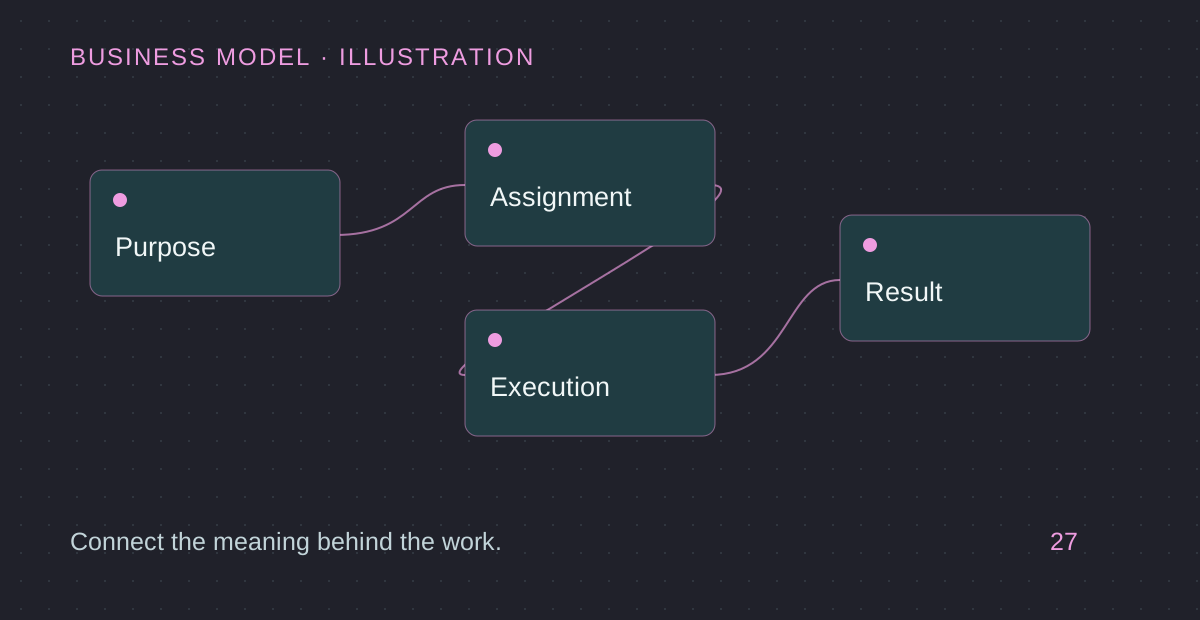
Separate tasks, assignments, and execution attempts. Track who was asked to do the work, what actually happened, and the result of each attempt.
A concrete business example
If two agents attempt the same task, preserve both runs with their timing, outputs, and evidence. A reviewer can compare the attempts instead of seeing only the latest status.
How it supports people and agents
Validated connectors can populate the register. Retain the actual actor, accountable owner, and external run reference for traceability.
Core scope and boundaries
The register does not run agents or prevent false completion. Execution, authorization, and verification need separate implementation.
Start with a real case
- Define the data boundary, connector owner and permitted operations.
- Test a small sample in a controlled environment, including failure cases.
- Reconcile written records with their source and retain execution references.
Core product guide: these pages explain foundational capabilities and configurable application patterns. Integrations and the selected product release require validation. Enterprise automation, fine-grained governance and independent verification are separate scope.